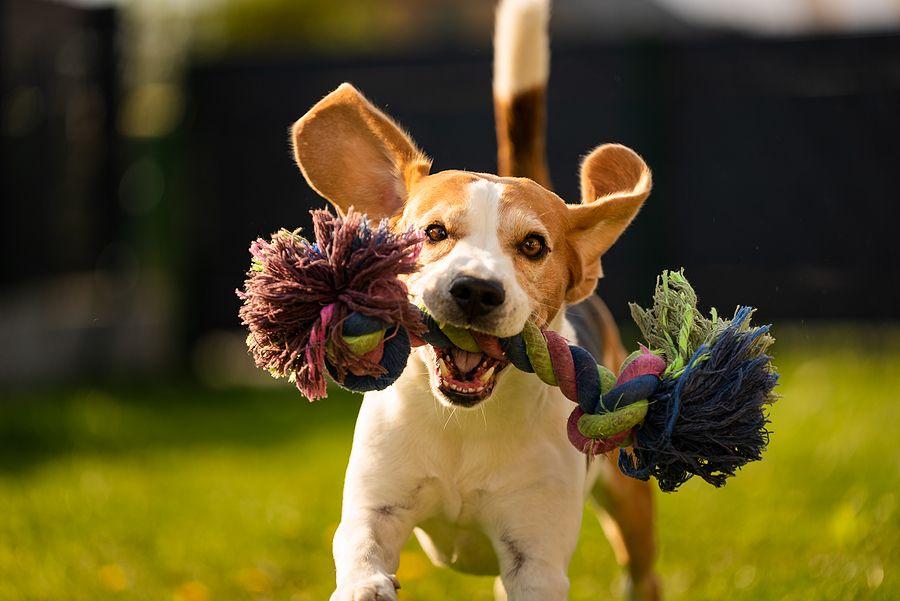
The Importance of Exercise for Your Dog’s Physical and Mental Health: A Complete GuideIn today’s busy world, it’s easy to overlook how vital daily movement is for our furry family members. Yet regular exercise isn’t just a nice-to-have — it’s essential for your dog’s long-term physical health, mental sharpness, and overall happiness. According to recent veterinary data, around 59% of dogs in the US are overweight or obese, with 22% classified as clinically obese.This isn’t just about appearance. Lack of exercise contributes to serious issues like diabetes, joint problems, heart disease, and even behavioral challenges such as anxiety or destructive chewing. At BigPetMart.com, we see firsthand how simple daily activity routines transform dogs — from energetic pups to calm seniors.This comprehensive guide breaks down the science-backed benefits of dog exercise, how much your dog really needs, the best activities to try, warning signs that your pet needs more movement, and practical tips to build a sustainable routine. By the end, you’ll have everything you need to help your dog thrive — physically, mentally, and emotionally.
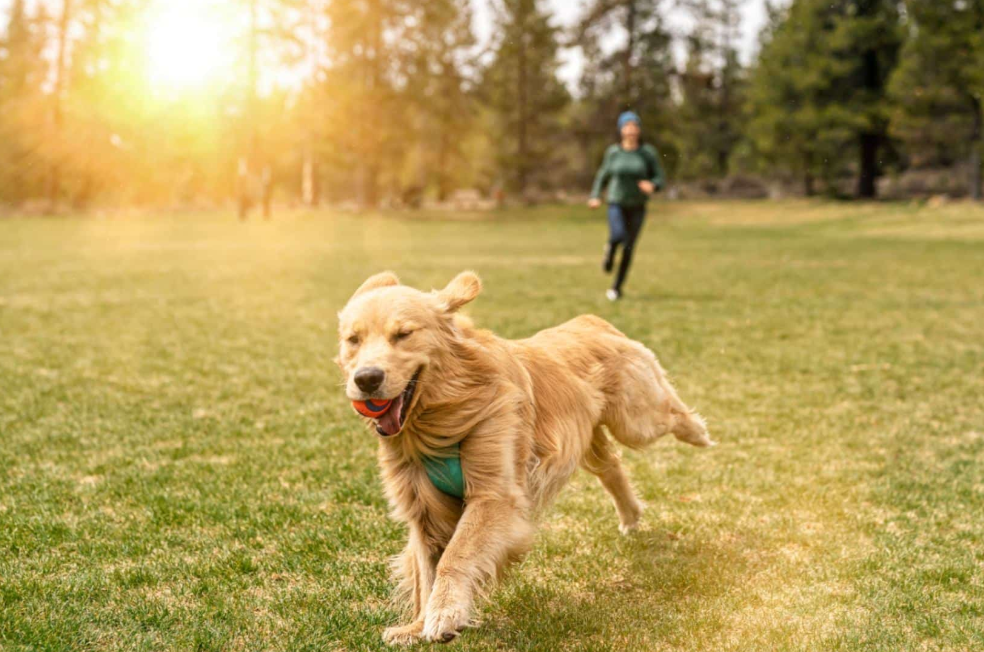
Why Exercise Matters: The Big Picture for Your Dog’s Well-BeingDogs are naturally active animals. Their ancestors hunted, explored, and roamed for hours each day. Modern life — with cozy couches and busy owner schedules — often leaves them under-stimulated. The result? A cascade of health problems that shorten lifespans and reduce quality of life.Exercise directly combats the obesity epidemic plaguing pets today. Overweight dogs face higher risks of arthritis, respiratory issues, and reduced mobility. But the benefits go far beyond the scale. Physical activity strengthens the cardiovascular system, supports healthy digestion, boosts immunity, and releases endorphins that improve mood and reduce stress.Equally important is the mental side. Bored or under-exercised dogs often develop anxiety, excessive barking, or destructive habits as outlets for pent-up energy. Regular movement provides both physical outlets and cognitive challenges, keeping your dog’s brain sharp well into their golden years.Veterinary experts and organizations like the American Kennel Club (AKC) emphasize that exercise is one of the simplest, most effective ways to prevent disease and promote longevity. A fit dog isn’t just healthier — they’re happier, better-behaved, and more bonded with their human family.Physical Health Benefits of Regular Dog ExerciseExercise delivers measurable improvements across your dog’s body systems. Here’s how it works:1. Weight Management and Obesity Prevention
Consistent activity burns calories and builds lean muscle. Even 30–60 minutes of daily movement can prevent or reverse weight gain. Studies show that dogs who maintain a healthy weight live longer and experience fewer chronic conditions.2. Stronger Heart and Cardiovascular Health
Just like in humans, aerobic exercise (walking, running, swimming) strengthens the heart muscle, improves circulation, and lowers blood pressure. Active dogs have better endurance and recover faster from illness or surgery.3. Joint and Muscle Support
Regular movement keeps joints lubricated, builds supporting muscles, and slows the progression of arthritis. It’s especially crucial for large breeds prone to hip dysplasia or seniors with stiffness. Low-impact options like swimming are ideal for dogs with existing joint issues.4. Better Digestion and Immune Function
Exercise stimulates the digestive tract, reducing constipation and promoting regular bowel movements. It also supports a robust immune system, helping your dog fight off infections more effectively.5. Increased Longevity
Fit dogs simply live longer, healthier lives. Reduced obesity and stronger organs translate to fewer vet visits and more quality time together.
Consistent activity burns calories and builds lean muscle. Even 30–60 minutes of daily movement can prevent or reverse weight gain. Studies show that dogs who maintain a healthy weight live longer and experience fewer chronic conditions.2. Stronger Heart and Cardiovascular Health
Just like in humans, aerobic exercise (walking, running, swimming) strengthens the heart muscle, improves circulation, and lowers blood pressure. Active dogs have better endurance and recover faster from illness or surgery.3. Joint and Muscle Support
Regular movement keeps joints lubricated, builds supporting muscles, and slows the progression of arthritis. It’s especially crucial for large breeds prone to hip dysplasia or seniors with stiffness. Low-impact options like swimming are ideal for dogs with existing joint issues.4. Better Digestion and Immune Function
Exercise stimulates the digestive tract, reducing constipation and promoting regular bowel movements. It also supports a robust immune system, helping your dog fight off infections more effectively.5. Increased Longevity
Fit dogs simply live longer, healthier lives. Reduced obesity and stronger organs translate to fewer vet visits and more quality time together.
Mental and Behavioral Benefits: How Exercise Keeps Your Dog Happy and CalmThe brain benefits of exercise are just as powerful as the body’s. Physical activity triggers the release of brain-derived neurotrophic factor (BDNF), a protein that supports new brain cell growth and cognitive function.Reduces Anxiety and Stress
Dogs with daily exercise routines show lower cortisol levels and fewer signs of separation anxiety or noise phobias. A tired dog is a content dog.Prevents Boredom and Destructive Behavior
Chewing furniture, digging, or excessive barking often stem from excess energy. Exercise channels that energy productively. One large study found inactive dogs were 6.5 times more likely to develop canine cognitive dysfunction (dog dementia) than active ones.Improves Focus and Trainability
Mental stimulation through games or new environments sharpens problem-solving skills and makes training sessions more effective.Strengthens the Human-Dog Bond
Shared activities like walks or fetch create trust and companionship. Many owners report calmer, more affectionate dogs after consistent exercise routines.Breed-Specific Mental Needs
High-energy breeds (Border Collies, Huskies) need both physical and mental outlets to avoid frustration. Even couch-potato breeds like Bulldogs benefit from short, engaging sessions.How Much Exercise Does Your Dog Need?There’s no one-size-fits-all answer — it depends on age, breed, size, and health. Always consult your vet before starting a new routine, especially for puppies, seniors, or dogs with medical conditions.Puppies
Limit structured exercise to about 5 minutes per month of age, 1–2 times daily. Their bones and joints are still developing, so avoid long runs or high jumps.Adult Dogs
Shorter, gentler sessions (10–30 minutes) focus on low-impact movement to maintain mobility without strain.
Factors like weather, terrain, and your dog’s fitness level matter too. Hot Australian summers call for early-morning or evening walks and plenty of water.Dogs with daily exercise routines show lower cortisol levels and fewer signs of separation anxiety or noise phobias. A tired dog is a content dog.Prevents Boredom and Destructive Behavior
Chewing furniture, digging, or excessive barking often stem from excess energy. Exercise channels that energy productively. One large study found inactive dogs were 6.5 times more likely to develop canine cognitive dysfunction (dog dementia) than active ones.Improves Focus and Trainability
Mental stimulation through games or new environments sharpens problem-solving skills and makes training sessions more effective.Strengthens the Human-Dog Bond
Shared activities like walks or fetch create trust and companionship. Many owners report calmer, more affectionate dogs after consistent exercise routines.Breed-Specific Mental Needs
High-energy breeds (Border Collies, Huskies) need both physical and mental outlets to avoid frustration. Even couch-potato breeds like Bulldogs benefit from short, engaging sessions.How Much Exercise Does Your Dog Need?There’s no one-size-fits-all answer — it depends on age, breed, size, and health. Always consult your vet before starting a new routine, especially for puppies, seniors, or dogs with medical conditions.Puppies
Limit structured exercise to about 5 minutes per month of age, 1–2 times daily. Their bones and joints are still developing, so avoid long runs or high jumps.Adult Dogs
- High-energy breeds (e.g., Labrador Retrievers, Australian Shepherds): 60–120+ minutes daily, split into multiple sessions.
- Medium-energy breeds (e.g., Beagles, Boxers): 45–90 minutes.
- Low-energy breeds (e.g., Bulldogs, Shih Tzus): 30–45 minutes of gentle activity.
Shorter, gentler sessions (10–30 minutes) focus on low-impact movement to maintain mobility without strain.

Chuckit Ultra Fetch Stick Dog Toy
Perfect for endless outdoor playtime and keeping your pup active and happy!
Product information
$3.99
Product Review Score
4.37 out of 5 stars
177 reviewsProduct links
Best Types of Exercises for Physical and Mental HealthMix and match these activities to keep things fun and balanced:Physical Exercises
- Daily walks or hikes (vary routes for interest).
- Fetch or frisbee for sprinting and retrieval instincts.
- Swimming or hydrotherapy — excellent low-impact cardio.
- Tug-of-war (with proper rules to avoid aggression).
- Agility courses or backyard obstacle setups.
Mental Enrichment Activities
Q: How do I know if my dog is getting enough exercise?
A: Look for calm behavior after activity, steady weight, and good sleep. If they’re still restless or gaining weight, increase duration or intensity.Q: Can indoor exercise replace walks?
A: It helps on rainy days, but nothing fully replaces the mental stimulation of outdoor sniffing and exploring. Combine both for best results.Q: What about senior dogs or those with arthritis?
A: Shorter, gentler sessions like slow walks or swimming are ideal. Always get vet clearance first.Q: Are puzzle toys considered exercise?
A: Absolutely — they provide crucial mental exercise that tires dogs as effectively as physical activity.Start small, stay consistent, and watch your best friend flourish. Here’s to healthier, happier dogs — one walk, game, and tail wag at a time!
- Puzzle toys and food-dispensing games that make your dog work for treats.
- Scent work or “find it” games using their powerful nose.
- Training sessions for new tricks or obedience commands.
- Snuffle mats or hidden treats for natural foraging behavior.
- Interactive playdates or visits to dog-friendly parks.
- Unexplained weight gain.
- Destructive chewing, digging, or raiding the bin.
- Restlessness, pacing, or inability to settle.
- Excessive barking, whining, or attention-seeking.
- Hyperactivity or “zoomies” at inappropriate times.
- Withdrawn, lethargic, or depressed behavior.
- Start Slow and Build Gradually — Especially for overweight or older dogs.
- Make It Routine — Same time each day helps dogs anticipate and enjoy it.
- Mix It Up — Prevent boredom with new routes, games, or toys.
- Incorporate Mental Work — A 15-minute puzzle session can tire a dog as much as a long walk.
- Safety First — Check paws for injuries, provide water, and avoid extreme heat. Use a harness for pulling breeds.
- Involve the Whole Family — Kids and dogs both benefit from playtime.
- Track Progress — Use a simple journal or app to note energy levels and behavior changes.
- Over-exercising puppies or seniors.
- Ignoring breed needs (a Bulldog won’t thrive on marathon runs).
- Relying only on backyard time — it lacks the mental stimulation of walks.
- Skipping warm-ups or cool-downs.
- Using exercise as punishment instead of fun bonding time.
Q: How do I know if my dog is getting enough exercise?
A: Look for calm behavior after activity, steady weight, and good sleep. If they’re still restless or gaining weight, increase duration or intensity.Q: Can indoor exercise replace walks?
A: It helps on rainy days, but nothing fully replaces the mental stimulation of outdoor sniffing and exploring. Combine both for best results.Q: What about senior dogs or those with arthritis?
A: Shorter, gentler sessions like slow walks or swimming are ideal. Always get vet clearance first.Q: Are puzzle toys considered exercise?
A: Absolutely — they provide crucial mental exercise that tires dogs as effectively as physical activity.Start small, stay consistent, and watch your best friend flourish. Here’s to healthier, happier dogs — one walk, game, and tail wag at a time!